From TikTok to Thermal Pools: How Hot Springs Is Winning Over a Whole New Generation of Wellness Travelers

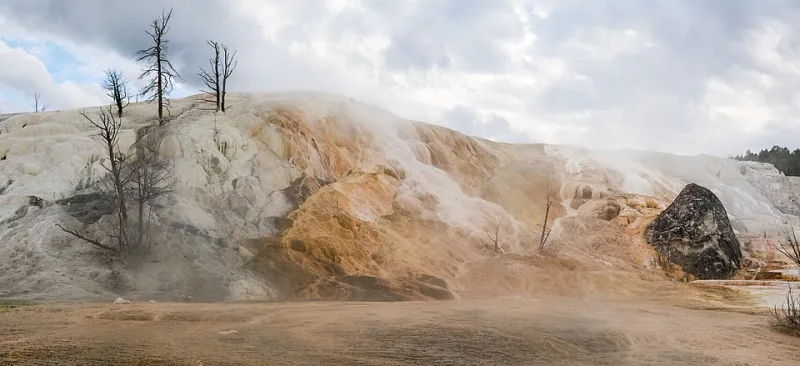
Photo: Artem Beliaikin from Moscow, Russia, CC0, via Wikimedia Commons
Walk into Quapaw Baths & Spa on a Saturday afternoon and you'll notice something that would've seemed unlikely a decade ago: a 26-year-old from Nashville propping her phone against a marble ledge to catch the steam rising off a thermal pool, captioning it something about "hot girl healing." Next to her, a couple in their late twenties are debating the mineral content of the water with the kind of enthusiasm usually reserved for craft beer menus.
This is Hot Springs in 2024 — and it looks a little different than it used to.
The Spa City has always drawn visitors seeking relief, relaxation, and a slower pace. But for a long stretch, the crowd skewed older. The bathhouses, while stunning, carried a reputation as something your grandparents dragged you to on a road trip through Arkansas. That perception is changing fast, and the reasons why say a lot about where wellness culture in America is headed.
The Wellness Boom Meets a Very Old Resource
The timing couldn't be better for Hot Springs. The U.S. wellness industry has exploded into a multi-trillion-dollar space, and younger consumers are driving a big chunk of that growth. Millennials and Gen Z aren't just buying face serums — they're actively seeking out experiences that promise genuine physical and mental restoration. Cryotherapy, sound baths, infrared saunas, cold plunges: if it sounds slightly scientific and slightly ancient, they're interested.
Thermal bathing checks every one of those boxes. The waters flowing beneath Hot Springs have been heating up underground for thousands of years before surfacing at around 143°F, and the documented history of their use stretches back centuries. For a generation that's grown skeptical of wellness trends with zero substance behind them, there's something compelling about a practice this old and this rooted in place.
"I've spent money on so many wellness things that felt gimmicky," says Maya, 29, who drove up from Little Rock for a long weekend last spring. "This felt real. The water is actually hot. The buildings are actually historic. Nobody's trying to sell me a supplement."
What Bathhouse Owners Are Doing Differently
The bathhouses themselves haven't been passive in this shift. Several have made deliberate moves to update their experience without sacrificing the authenticity that makes Hot Springs worth visiting in the first place.
Quapaw, operating inside one of the iconic Bathhouse Row structures, has leaned into its architectural grandeur while modernizing its offerings — think private thermal pools, couples' treatments, and a menu of services that wouldn't feel out of place at a high-end urban spa. The visual appeal alone is staggering, and that matters when a significant portion of your new audience is going to photograph everything.
Buckstaff, the oldest continuously operating bathhouse on the Row, has taken a different approach by doubling down on its traditional format. No frills, no Instagram moments engineered for you — just the original thermal bath experience, attendants and all. Surprisingly, that's resonating too. There's a subset of younger travelers who are specifically seeking the unfiltered version, the thing that existed before wellness became an aesthetic.
"We've seen a real uptick in guests in their thirties," says one Buckstaff staffer who's worked the Row for years. "They want to know what it was actually like. They're not looking for a boutique hotel experience — they want the real deal."
The Instagram Effect (It's More Complicated Than You Think)
Social media's role in Hot Springs' resurgence is real, but it's worth unpacking. Yes, Bathhouse Row is extraordinarily photogenic. The Spanish Colonial Revival architecture, the thermal steam, the vintage tile work — it photographs like a dream. Searches for Hot Springs on platforms like TikTok and Instagram have climbed steadily, and user-generated content has introduced the destination to audiences who might never have encountered a traditional travel ad.
But the visitors who show up aren't just chasing content. Many arrive having already done their research — reading about the geology, looking into the history of the National Park, comparing the mineral composition of different pools. The aesthetic hook gets them through the door; the substance keeps them engaged.
"I found Hot Springs through a TikTok, honestly," admits Jordan, 24, visiting from Memphis with two friends. "But then I went down a rabbit hole for like two weeks before we came. I knew way more about thermal bathing by the time I got here than I expected to."
That informed curiosity is something bathhouse operators are learning to meet. More are training staff to answer detailed questions about water temperature, mineral content, and the physiological effects of thermal soaking. The conversation has shifted from "just relax" to something more substantive.
Shedding the 'Grandma Getaway' Label
None of this means Hot Springs is abandoning its older visitors — far from it. The Spa City's traditional audience still shows up, and the multigenerational appeal is genuinely part of what makes it special. But the marketing conversation has evolved.
Local tourism efforts have increasingly highlighted the science-backed dimensions of thermal bathing: improved circulation, muscle recovery, stress reduction, sleep quality. These aren't new claims, but framing them in the language of modern wellness — the kind that appears in the same conversation as cold exposure therapy and breathwork — has made them land differently with younger audiences.
Hot Springs also benefits from a broader cultural moment around "slow travel" and destinations that offer depth over novelty. A weekend in the Spa City isn't about checking off a list of Instagram spots — it's about actually doing something with your body and your nervous system. That pitch resonates with people who are burned out on hustle culture and looking for a reset that feels earned.
What This Means for the City's Future
The demographic shift is bringing real economic energy to Hot Springs. Younger visitors tend to extend their stays, explore the local restaurant scene, shop the galleries on Central Avenue, and return with friends. They're also more likely to share their experience online, creating an organic marketing loop that no ad budget can fully replicate.
For a city that has always lived in the interesting tension between its historic identity and its evolving present, this moment feels significant. The thermal waters haven't changed — they're still the same ancient, mineral-rich resource they've always been. What's changed is who's paying attention, and why.
If you haven't been to Hot Springs in a while, or if you've always filed it away as somewhere your parents talked about, it might be time to reconsider. The pools are warm, the buildings are gorgeous, and apparently, the whole thing is extremely postable.
Not that that's the only reason to go — but it doesn't hurt.