Why Wellness Seekers Are Ditching Sedona for Hot Springs (And Their Wallets Are Thanking Them)
Photo: Rhododendrites, CC BY-SA 4.0, via Wikimedia Commons
Somewhere between a $350 crystal healing session in Sedona and a $500 mineral soak package in Scottsdale, a lot of Americans are quietly asking themselves: Is there a better way to do this?
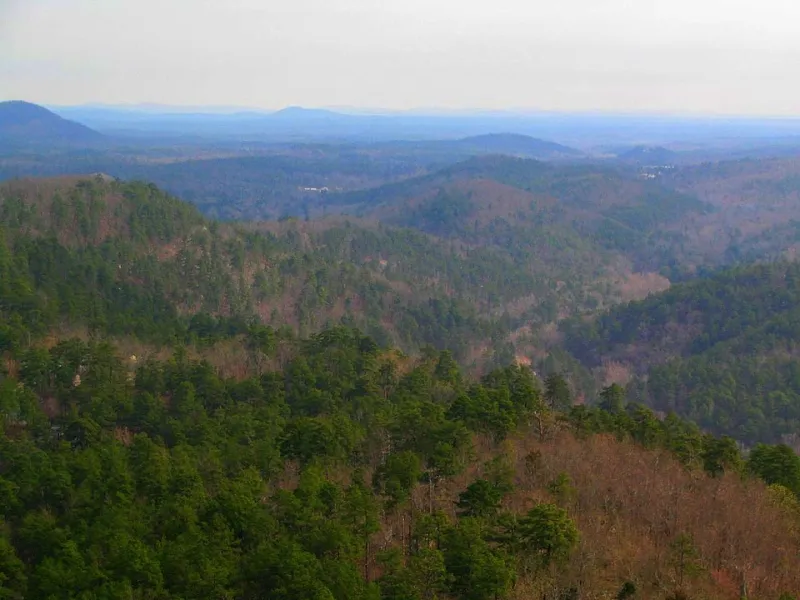
Turns out, there is. And it's been sitting in the Ouachita Mountains of Arkansas for well over a century.
Hot Springs — population around 38,000, firmly mid-sized, deeply unpretentious — has been drawing visitors with aching muscles and weary minds since the 1800s. Long before "wellness tourism" became a $650 billion global industry, people were traveling from across the country to lower themselves into the city's naturally heated thermal waters. The infrastructure built around that tradition never really went away. It just waited for the rest of America to catch up.
A Wellness Economy Built on Authenticity, Not Aesthetics
Walk down Bathhouse Row — the stretch of historic bathhouses along Central Avenue that now falls under the protection of Hot Springs National Park — and you're looking at the bones of America's original wellness destination. Eight grand Gilded Age buildings, most of them restored, line the street like a living museum of therapeutic ambition.
But here's what separates Hot Springs from its trendier competitors: the infrastructure was never dismantled and rebuilt for Instagram. It evolved. The Buckstaff Bathhouse has been operating continuously since 1912. You can still walk in, pay a reasonable fee, and experience a traditional thermal bath and massage in a setting that hasn't chased trends because it never needed to.
"People come here expecting something manufactured, and then they realize it's just... real," says one local spa operator who has worked on Bathhouse Row for over a decade. "The water is actually hot. It actually comes out of the ground. There's no branding layer on top of that."
That authenticity is increasingly rare — and increasingly valuable.
The Numbers That Make Hot Springs Hard to Ignore
Let's talk about what a wellness trip actually costs in the places people typically go.
A single night at a mid-range resort spa in Sedona will run you $400 to $700, before you add treatments. A couples' spa day package at a Scottsdale resort? Expect to spend $300 to $500 per person, easy. Add flights, meals, and incidentals, and a long weekend wellness getaway to either destination can quietly climb past $2,000 for two people.
In Hot Springs, a traditional thermal bath at one of the historic bathhouses typically runs between $35 and $65. A full massage adds another $75 to $120. Mid-range hotels within walking distance of Bathhouse Row regularly come in under $150 a night. Driving distance from Dallas, Memphis, Oklahoma City, and St. Louis makes it a road-trip-friendly option that eliminates airfare entirely.
Repeat visitors — and there are a lot of them — often cite this math as the reason they keep coming back. "We've done Asheville, we've done Santa Fe," says one visitor from the Dallas-Fort Worth area who makes the trip to Hot Springs twice a year. "Hot Springs just doesn't try to squeeze you. You leave feeling like you got more than you paid for, which almost never happens anymore."
A New Generation of Wellness Entrepreneurs Is Paying Attention
The city's wellness scene isn't frozen in 1912, either. Over the past decade, a wave of independent operators has layered modern offerings onto the thermal therapy foundation — yoga studios, float tank centers, holistic health practitioners, and farm-to-table restaurants emphasizing clean eating have all taken root here.
What's notable is that most of these businesses have deliberately kept their pricing accessible. There's an unspoken understanding among local wellness entrepreneurs that Hot Springs' competitive edge is its approachability, and that pricing themselves like a Scottsdale resort would undercut the thing that makes this place special.
"Our whole pitch is that you don't have to be wealthy to prioritize your health," says the owner of a float therapy center that opened in Hot Springs several years ago. "The thermal water here is free — it literally comes out of the mountain. We're just trying to build experiences around that spirit."
That spirit extends to the national park itself. Hot Springs National Park — the smallest and oldest federally protected area in the national park system — offers free access to drinking fountains fed by the thermal springs. Visitors fill jugs and bottles daily, treating the 143-degree groundwater (cooled to a safe temperature at the fountains) as a matter-of-fact local amenity. Try doing that in Sedona.
The "Spa City" Identity Is a Feature, Not a Gimmick
Hot Springs leans into its nickname, and it earns it. But what long-time visitors and locals will tell you is that the city's wellness identity runs deeper than marketing copy.
The thermal springs have been a neutral ground of sorts throughout American history — Native American tribes considered the area sacred long before European settlement, and the federal government's early protection of the springs (dating to 1832, nearly 40 years before Yellowstone) reflects an unusual recognition that some natural resources are worth preserving for everyone.
That democratic undercurrent still shows up in how Hot Springs operates as a wellness destination. You'll find retirees from Little Rock soaking alongside younger visitors from Chicago. Solo travelers, couples celebrating anniversaries, and families doing something different on spring break all share the same bathhouses, the same trails, the same thermal water.
"There's no velvet rope here," one Bathhouse Row attendant put it simply. "The water doesn't care what you do for a living."
What to Actually Do When You Get Here
If you're planning your first wellness-focused visit, a few starting points:
- Buckstaff Bathhouse for a traditional thermal bath experience — no reservations typically needed, walk-ins welcome.
- Quapaw Baths & Spa for a more modern take on the thermal bath, with communal pools and upgraded treatment options.
- Bathhouse Row walking tour — free, self-guided, and genuinely interesting even if you're not planning to soak.
- The Arlington Resort Hotel & Spa for a mid-century grand hotel experience that remains more affordable than comparable resort properties elsewhere.
Hot Springs isn't trying to compete with the luxury wellness world. It doesn't need to. It has something those destinations can't manufacture: a legitimate, unbroken history of making people feel better. That's worth the drive.