Hot Water, Big Questions: Can Hot Springs Balance Tourism and Conservation?
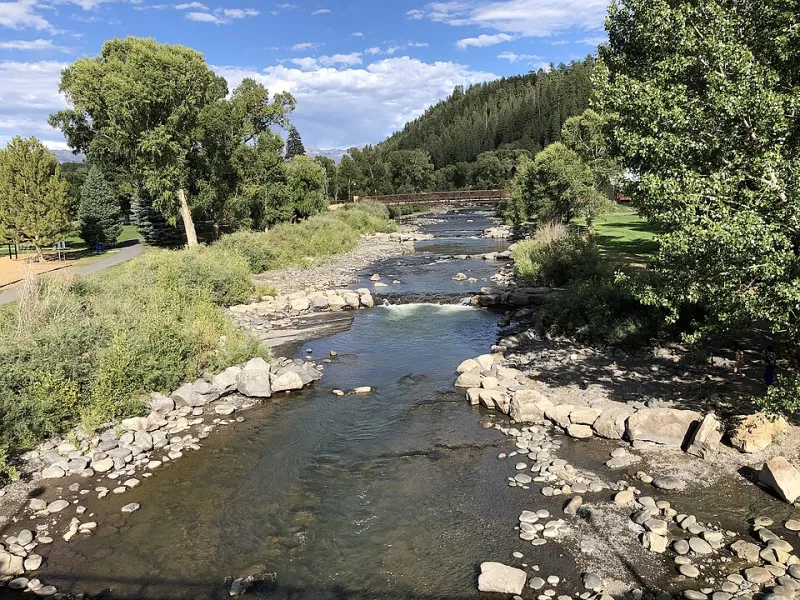
Photo: Netherzone, CC BY-SA 4.0, via Wikimedia Commons
Every day, roughly 700,000 gallons of naturally heated water bubble up from beneath the Ouachita Mountains and flow into the bathhouses, spas, and fountains that define Hot Springs, Arkansas. It's a geological miracle that's been drawing visitors since before the Civil War. But as tourism numbers climb and wellness travel booms, a quieter, more complicated conversation is happening behind the scenes: Is anyone actually keeping an eye on how much water is being used — and what happens if we're not careful?
The answer, depending on who you ask, ranges from "we've got it handled" to "we really need to talk about this."
Where the Water Actually Comes From
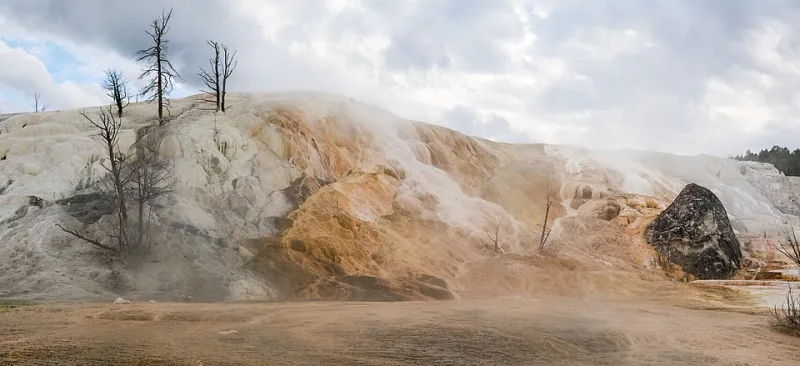
First, a quick geology refresher. The thermal springs of Hot Springs aren't fed by some underground volcanic system — they're the result of rainwater that soaks into the Ouachita Mountains, descends deep into the earth, gets heated by geothermal energy over thousands of years, and eventually resurfaces along a fault line running through what is now downtown Hot Springs. The National Park Service, which manages Bathhouse Row and the surrounding Hot Springs National Park, estimates the water falling as rain today won't emerge as a thermal spring for another 4,000 years.
Let that sink in for a second. The water you're soaking in right now fell as rain during the Bronze Age.
That long recharge cycle is exactly what has some conservationists nervous. "We are drawing on a resource that cannot be replenished on any human timescale," says Dr. Linda Foss, a hydrologist who has studied the Hot Springs aquifer system for over a decade. "That doesn't mean we're going to run out tomorrow. But it does mean we have an obligation to treat this water with extraordinary care."
The Bathhouse Side of the Story
Bathhouse operators aren't dismissing those concerns — but many feel they're already doing their part. The owners of several establishments along Bathhouse Row point to water recycling systems, reduced soak times, and updated plumbing infrastructure as evidence that the industry has modernized significantly over the past two decades.
"We're not the bathhouses of 1920," says one longtime operator who asked not to be named. "We've invested heavily in efficiency. The conversation about sustainability is important, but it shouldn't paint everyone in this industry with the same brush."
That's a fair point. Some of the newer spa facilities in town have adopted closed-loop heating systems that reduce thermal water draw significantly compared to older models. Others have installed real-time flow monitoring equipment. The problem, critics argue, is that these improvements are voluntary — and inconsistent.
What the City Is (and Isn't) Doing
Hot Springs city planners are aware of the tension. The city has been in ongoing discussions with the National Park Service, the Arkansas Natural Resources Commission, and various environmental groups about updating water use guidelines — conversations that have been happening, in various forms, for the better part of a decade.
"There are frameworks in place," says a city spokesperson familiar with the planning process. "But we're also in a growth period for tourism, and balancing that growth with long-term resource management is genuinely complex."
Conservationists argue that "complex" sometimes becomes a reason to delay action. The Arkansas chapter of the Sierra Club has been pushing for mandatory water use reporting from commercial thermal water users, a measure that currently doesn't exist in any standardized form. Without that data, they say, it's nearly impossible to know whether current usage levels are sustainable.
"You can't manage what you don't measure," says Rachel Thorn, a conservation advocate based in Little Rock who has been following the Hot Springs water debate closely. "Right now, we're largely operating on good faith."
The Tourism Boom Factor
Timing matters here. Hot Springs has seen a significant uptick in visitors over the past several years, driven in part by the national wellness travel trend, social media attention, and a growing reputation as an affordable alternative to pricier spa destinations. More visitors mean more demand for thermal bath experiences — and more pressure on the springs themselves.
New spa developments have also cropped up outside the traditional Bathhouse Row corridor, some drawing thermal water through private wells rather than the city's managed system. The regulatory landscape governing those private draws is, by most accounts, murkier than the public system.
"That's actually where I'd focus attention first," says Dr. Foss. "The National Park Service has relatively good oversight of what happens within the park boundary. It's the broader commercial development outside that boundary where oversight gets thinner."
A Model Worth Borrowing?
Interestingly, Hot Springs isn't the only thermal spring destination wrestling with these questions. Towns like Pagosa Springs, Colorado, and Thermopolis, Wyoming, have developed tiered water allocation systems that give priority to public and heritage uses while capping commercial extraction. Some advocates think Hot Springs could look to those models for inspiration.
"It's not about shutting down the bathhouses or telling tourists to stay home," Thorn is quick to clarify. "It's about creating a framework that ensures this resource is still here in another hundred years. The springs are the whole reason this city exists."
Bathhouse operators, for their part, say they'd welcome clearer guidelines — provided the industry has a seat at the table when those guidelines are being written. "We're not the enemy of conservation," says the Bathhouse Row operator. "We're the people who need these springs to still be flowing in fifty years more than anyone."
So Where Does This Leave Us?
For now, Hot Springs sits at an interesting crossroads. The springs still flow, the bathhouses are still filling tubs, and visitors are still making the pilgrimage to soak in water that has been warming beneath the earth since long before any of us were born. But the conversations happening in city hall, in NPS offices, and around conservation roundtables suggest that the easy assumption — that the springs will just keep giving indefinitely — is starting to feel less comfortable than it used to.
The good news is that most of the people involved in this debate seem genuinely invested in getting it right. The challenge is turning that goodwill into policy before the question becomes more urgent than it already is.
The thermal springs of Hot Springs are, in the truest sense, irreplaceable. Whatever framework emerges from these debates, that's probably the best place to start.