Boots, Baths, and Back Roads: The Active Traveler's Guide to Hot Springs
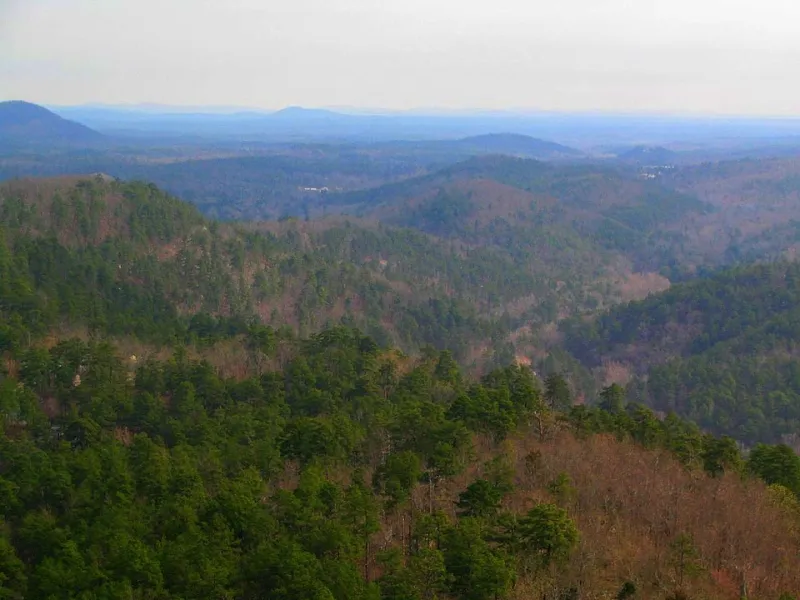
Photo: Ken Lund from Las Vegas, Nevada, USA, CC BY-SA 2.0, via Wikimedia Commons
Most people picture Hot Springs as a place to slow down. Robe on, feet in thermal water, nowhere to be. And look — that version of the trip is great. We're not here to talk you out of it.
But if your idea of a good vacation involves earning your relaxation, Hot Springs has a lot more going on than Bathhouse Row. The city sits at the edge of the Ouachita National Forest, surrounded by ridgelines, creek crossings, and trails that reward the kind of effort that makes a hot soak feel genuinely restorative instead of just nice. Layer in some of the area's overlooked historical sites, and you've got a trip that covers real ground — in every sense.
Here's how to put it all together.
Day One: Hit the Trails Before the Crowds Do
Morning — Sunset Trail, Hot Springs National Park
Start early. The Sunset Trail is the backbone of the hiking network inside Hot Springs National Park, running about 10 miles in total but easily broken into shorter segments. The North Mountain section offers solid elevation gain and city views that most visitors never see because they stay down on Central Avenue. Give yourself two to three hours depending on your pace, and go before 9 a.m. in warmer months — the exposed ridgeline gets warm fast.
The trailhead is accessible from the Gulley Park area, and parking is free. Bring more water than you think you need.
Midday — Refuel Downtown
Post-hike, head into downtown for lunch. The food scene here has improved considerably over the past several years, with a mix of local spots that cater to both the tourist crowd and people who actually live here. Look for places along Central Avenue or the surrounding side streets — you're within easy walking distance of most of the city's dining options from the trailhead parking areas.
Afternoon — Buckstaff Bathhouse
This is the move. After a morning on the trail, a traditional thermal bath isn't a luxury — it's recovery. The Buckstaff has been operating continuously since 1912, and the experience is about as no-frills as it gets in the best possible way. Hot thermal water, a scrub-down, and a massage if you want one. Your legs will thank you.
Budget about 90 minutes for the full experience. No reservations needed for walk-in baths.
Day Two: Go Deeper Into the Ouachita
Morning — Lake Ouachita State Park or Ouachita National Forest Trails
About 13 miles west of Hot Springs, Lake Ouachita is the largest lake entirely within Arkansas and one of the clearest bodies of water in the South. The state park has hiking trails, paddleboard and kayak rentals, and the kind of scenery that reminds you why people move to Arkansas and never leave.
If you'd rather stay on foot, the Ouachita National Forest has trail options ranging from easy creek-side walks to more demanding ridge hikes. The Ouachita Trail — which runs 223 miles from Talimena State Park in Oklahoma to Pinnacle Mountain State Park near Little Rock — passes through the area, and day-hike segments are well-marked and accessible.
Check current conditions at the Ouachita National Forest's website or stop by the district ranger station before heading out, especially if you're going off the main paths.
Midday — Mountain Harbor or Picnic on the Water
Pack a lunch or grab something from a local spot before you head out. Eating by the water after a morning hike is one of those simple pleasures that doesn't cost anything and somehow always hits harder than a restaurant meal.
Afternoon — The Mid-America Science Museum
Hear us out. If you've got kids, this is a no-brainer. But even without them, the Mid-America Science Museum on Whittington Avenue is a genuinely engaging stop — well-maintained, locally beloved, and a good way to spend a couple of hours without wrecking your legs further. It's the kind of place that reminds you Hot Springs has a full civic life beyond tourism.
Evening — Quapaw Baths & Spa
For your second-night soak, upgrade to the Quapaw. The communal thermal pools here are a step up in terms of amenities — multiple pools at different temperatures, a more modern atmosphere, and the option to add a treatment if you want to go all-in. After two days of outdoor activity, this is a well-earned finish.
The Historical Detours Worth Making
Active travelers sometimes blow past history in their rush to find the next trailhead. Don't do that here — Hot Springs has a genuinely weird and fascinating backstory that's worth a few hours of your time.
Gangster Museum of America — Yes, this is real, and yes, it's excellent. Hot Springs spent several decades as an openly corrupt resort town where gambling, bootlegging, and organized crime operated with the blessing of local government. The museum covers this era with surprising depth and zero apology. It's one of the most honest local history museums you'll find anywhere in the South.
Bathhouse Row Architecture — Even if you're not soaking, walking the length of Bathhouse Row and reading the interpretive signage is worth 45 minutes. The buildings themselves are extraordinary, and understanding what they were built for — and who built them — adds real context to the city.
Fordyce Bathhouse Visitor Center — Free admission, run by the National Park Service, and fully restored to its 1915 appearance. It functions as the national park's main visitor center, but it's also just a beautiful building that gives you a sense of what thermal bathing looked like when it was the primary reason people came to this city.
Practical Notes for Planning
- Best seasons for hiking: Spring (March–May) and fall (September–November) offer the most comfortable temperatures. Summer works if you start early; winter is mild by most standards but can bring icy trail conditions on north-facing slopes.
- Gear: Standard day-hiking kit applies. The trails aren't technical, but the terrain is rocky and roots are common — wear actual hiking shoes, not sneakers.
- Bathhouse timing: Weekday afternoons are the least crowded times at most bathhouses. Weekend mornings can get busy, especially in peak travel seasons.
- Cell service: Generally solid in the city, patchier in the forest. Download offline maps before heading out on Ouachita National Forest trails.
The rhythm of this trip — move your body, then recover properly — is something Hot Springs is uniquely set up to deliver. The trails are real, the history is genuinely interesting, and the thermal water waiting at the end of the day isn't a gimmick. It's just the way this city has always worked.