Old Marble vs. New Marble: What Hot Springs' Bathhouses Are Really Arguing About
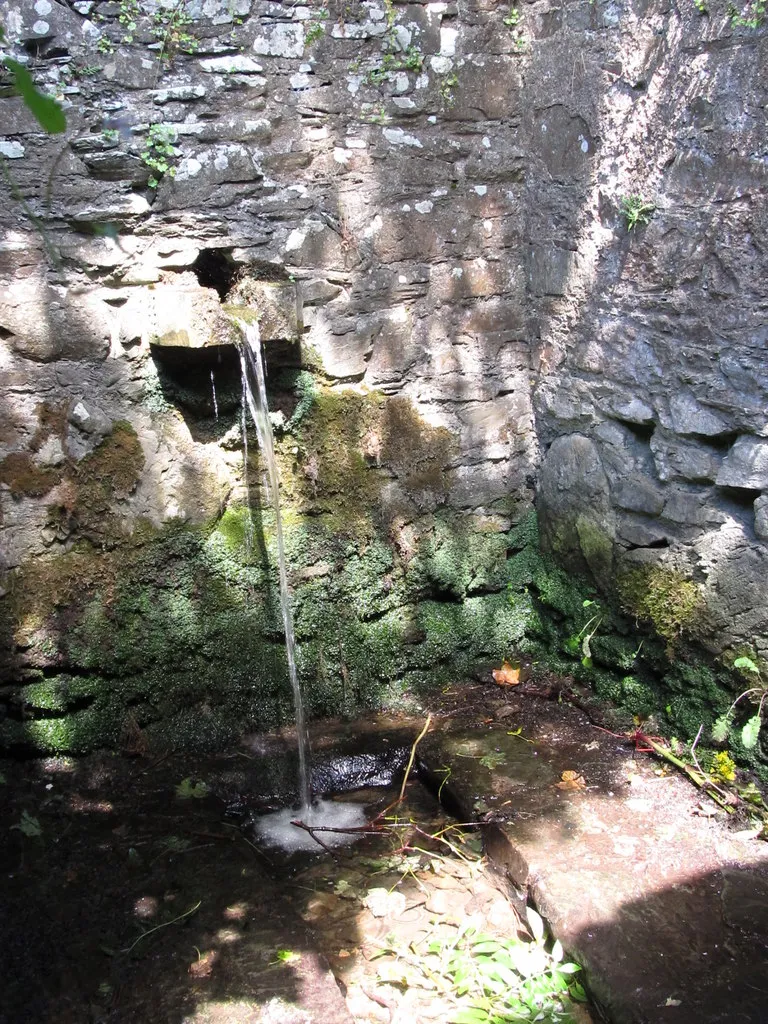
Photo: Eric Jones , CC BY-SA 2.0, via Wikimedia Commons
Walk down Central Avenue on any given morning and you'll notice something that doesn't quite add up. Two buildings sit maybe fifty yards apart. One has Roman columns, ornate terra cotta detailing, and lobby floors that have absorbed more than a century of footsteps. The other has a rainfall shower, a curated essential oil menu, and a Spotify playlist the front desk will happily share with you. Both are calling themselves the authentic Hot Springs experience.
Both, honestly, have a point.
The debate over what a Hot Springs bathhouse should be has been quietly simmering for years. But as renovation dollars keep flowing into the city and visitor expectations keep climbing, the conversation is getting louder — and a lot more interesting.
What Bathhouse Row Actually Represents
Let's start with some context. The eight bathhouses lining Central Avenue were built between roughly 1912 and 1923, and they weren't modest about it. Quapaw Bathhouse, Fordyce Bathhouse, Buckstaff — these structures were designed to impress European royalty, professional baseball players, and Midwestern industrialists all at once. The architecture borrowed freely from Spanish Renaissance, Italian Renaissance, and Baroque traditions, which sounds like a lot, but somehow it works.
"These buildings were the destination," says Karen Whitfield, a local architectural historian who has spent the better part of two decades documenting the Row. "People weren't coming to Hot Springs and then stopping by a bathhouse. The bathhouse was the whole point. Every inch of that marble and tile was meant to communicate that the waters here were serious medicine."
That seriousness is something the historic properties still trade on heavily. Buckstaff, the only bathhouse on the Row that has operated continuously since 1912, leans into it without apology. The attendants wear white uniforms. The thermal pools are utilitarian, almost clinical. There is no ambient music. And regulars — some of whom have been coming for thirty or forty years — wouldn't change a single thing.
"It feels like something real," says Gary Prentiss, a retired contractor from Memphis who makes the drive down twice a year. "I'm not getting a spa experience. I'm getting what people got a hundred years ago. That means something to me."
The Case for Going Modern
Not everyone finds meaning in the same places, though.
When Quapaw Bathhouse reopened after a major renovation, it kept the bones — the original 1922 structure, the historic tile work, the soaring ceilings — but layered in a contemporary spa sensibility that its predecessor never had. Private pools, updated treatment rooms, a product line that didn't exist when Calvin Coolidge was soaking here. The result is something that photographs beautifully and books up weeks in advance.
"We had a responsibility to the building and a responsibility to the guest," says one of the property's longtime managers, who asked not to be named. "You can't ask someone paying what they're paying today to use facilities that were last updated in 1955. But you also can't gut a National Historic Landmark and replace everything with subway tile. It's a constant negotiation."
That negotiation is visible throughout the renovated properties. Walk through the Quapaw and you'll see original mosaic floors sitting directly beneath modern mood lighting. You'll soak in thermal water that flows from the same 47 springs it always has, but you'll do it in a fiberglass pool designed by someone who definitely follows interior design accounts on Instagram.
Is that a compromise? Or is it an evolution?
The Historian's Dilemma
Whitfield, for her part, is more nuanced than her job title might suggest.
"I'm not a purist," she says. "Fordyce sat empty for decades before the National Park Service took it over. Lamar Bathhouse sat vacant even longer. The buildings that survived are the ones that found a way to stay relevant. I'd rather have a thoughtfully renovated bathhouse than a crumbling shell."
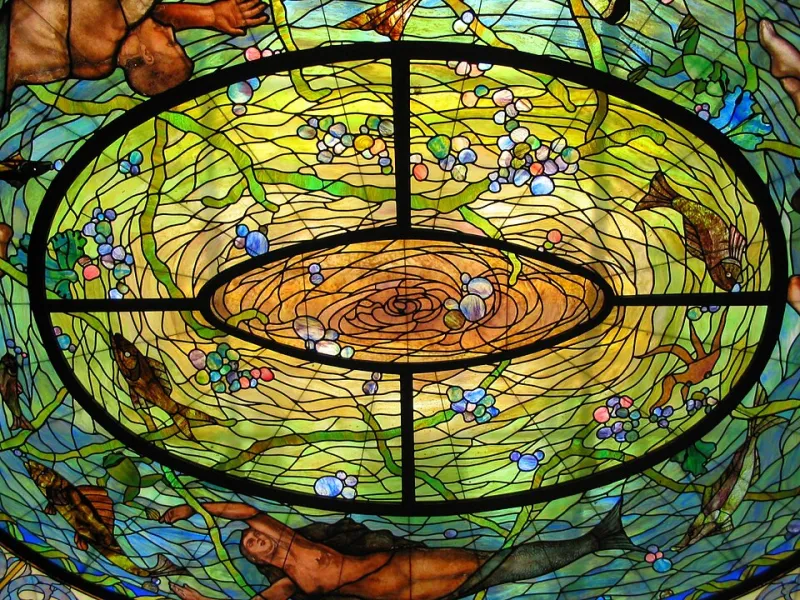
The National Park Service operates Fordyce as a museum, which is its own kind of answer to the debate. Fordyce is breathtaking — its stained glass ceilings and original therapy equipment are genuinely among the most remarkable things you'll see in Arkansas. But you can't soak there. It's a monument to what the bathhouse experience was, not what it is.
Some visitors find that distinction frustrating. Others find it clarifying.
"Fordyce made me understand why all of this matters," says Deja Thornton, a first-time visitor from Atlanta who spent an afternoon touring the museum before booking a treatment at a renovated property nearby. "Like, I needed that context. Then I actually wanted to get in the water."
What "Authentic" Even Means Here
Here's the thing that keeps coming up in these conversations: authenticity is doing a lot of heavy lifting, and it means different things depending on who you ask.
For the historic purists, authentic means the original experience — the attendants, the routines, the slightly intimidating efficiency of a place that has been doing exactly this for over a century. For the renovation crowd, authentic means the spirit of the place, the thermal water itself, the specific geography of Hot Springs that makes all of this possible regardless of what tile surrounds it.
And then there's a third camp — smaller but vocal — that argues the most authentic thing Hot Springs can do is keep changing, the same way it always has. This city was a health resort, then a gambling hub, then a ghost town, then a comeback story. The bathhouses have always reflected whatever moment the city was living through.
"Hot Springs has never been precious about itself," says local tour guide Marcus Bell, who has been leading history walks for nearly a decade. "The city has always been willing to be whatever people needed it to be. The bathhouses are just doing the same thing."
So Which One Should You Actually Visit?
Honest answer: both, if you can swing it.
Spend a morning at Buckstaff for the unfiltered time-warp experience. The thermal baths, the loofah scrub, the attendants who have clearly seen everything — it's unlike anything else in American wellness tourism. Then book an afternoon treatment at one of the renovated properties for the version that comes with a robe and a cucumber water.
The contrast alone is worth the trip. You'll leave with a much clearer sense of what Hot Springs is actually arguing about — and probably a pretty strong opinion of your own.
Just don't expect everyone to agree with you. That's the whole point.