Fork & Fire: How Hot Springs Became Arkansas' Most Exciting Food Town

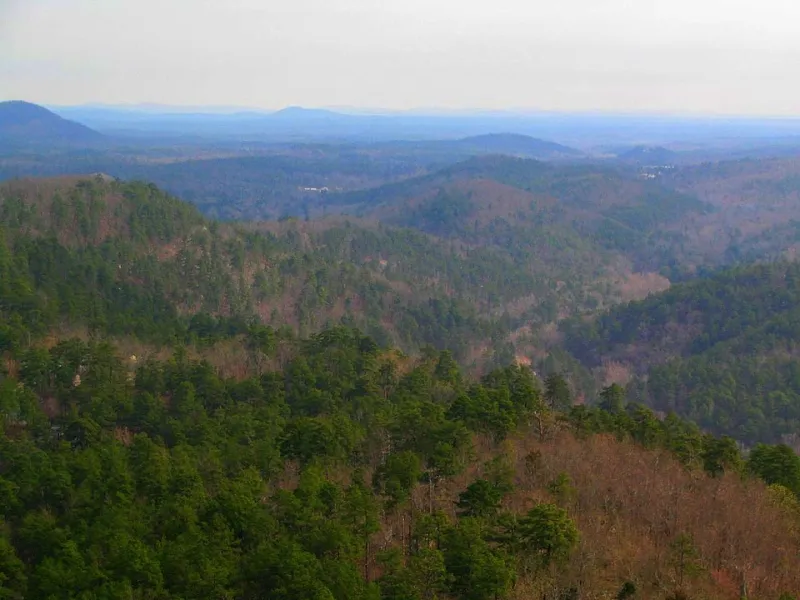
Photo: United States Congress, Office of Bruce Westerman, Public domain, via Wikimedia Commons
Ask most people why they're headed to Hot Springs and you'll get some version of the same answer: the baths, the national park, maybe a weekend escape from Little Rock or Memphis. Food? That one doesn't usually come up. But spend a few days eating your way through this town, and you'll start wondering why nobody told you sooner.
Hot Springs is having a culinary moment — and locals will tell you it's been building for years. A wave of chefs who trained in bigger cities has quietly set up shop here, drawn by lower overhead, a loyal community, and a tourist base hungry (literally) for more than just a post-soak snack. The result is a restaurant scene that punches well above its weight for a city of roughly 38,000 people.
The Farm-to-Table Movement Has a Hot Springs Chapter
Arkansas isn't always the first state that comes to mind when people talk about the farm-to-table movement, but the agriculture running through the Ouachita region gives local chefs plenty to work with. The growing season is long, the soil is rich, and small farms within an hour's drive are producing everything from heirloom tomatoes and sweet corn to pasture-raised pork and heritage poultry.
Several Hot Springs restaurants have built their entire identity around these relationships. Menus change with what's available, and servers will tell you exactly which farm the greens came from if you ask. It's the kind of sourcing story that feels genuine rather than a marketing talking point — partly because in a small city, the chef probably knows the farmer personally and sees them at the Saturday market.
That connection between land and plate fits naturally into the wellness narrative Hot Springs has always traded on. If you're spending the morning soaking in mineral-rich thermal water for your body's benefit, it makes a certain kind of sense to follow it with a lunch built around clean, local ingredients. More than a few visitors have told us the food felt like the natural extension of the whole experience.
Smoke, Spice, and Southern Technique
For all its wellness polish, Hot Springs is still a Southern city with deep roots in comfort food — and the best chefs here aren't running from that. They're refining it.
Barbecue in the Spa City isn't an afterthought. Pitmasters around town are working wood-fired smokers with real patience, turning out brisket and ribs that hold their own against anything you'd find in Texas or Tennessee. But what makes Hot Springs interesting is the willingness to layer that Southern foundation with broader influences. You'll find smoked meats showing up in unexpected places — folded into tacos, served alongside pickled vegetables with an Asian-inspired bent, or resting under a sauce that borrows from Louisiana's Cajun tradition.
The city's history plays into this, too. Hot Springs spent decades as a wide-open resort town that attracted gamblers, gangsters, and travelers from across the country. That cosmopolitan past left behind an appetite for variety, and today's chefs seem to channel it. The food here doesn't feel like it's trying to be something it's not — it's Southern cooking that's been around the block.
Where to Eat Right Now
Without turning this into a listicle, it's worth pointing a few directions for first-time visitors.
The stretch of Central Avenue running through downtown and out toward the Bathhouse Row area has become a reliable corridor for good eating. You'll find everything from casual lunch spots doing creative sandwiches and grain bowls to dinner restaurants with full bar programs and serious wine lists. Don't overlook the side streets — some of the most interesting spots are tucked a block or two off the main drag in spaces that feel genuinely local.
Breakfast and brunch culture is strong here, which makes sense given how many visitors are spending mornings at the bathhouses and want something substantial afterward. Look for places that make their biscuits from scratch (you'll know the difference immediately) and don't skip the locally sourced eggs if they're on the menu.
For dinner, the range is wider than most people expect. You can eat very casually for under $15 a person or sit down to a multi-course meal with wine pairings that would cost twice as much in a major city. Hot Springs hasn't fully caught up to big-city pricing, which remains one of its most appealing qualities.
Coffee, Cocktails, and the In-Between Hours
The food scene here isn't just about meals. Hot Springs has developed a solid coffee culture, with independent cafés that take their sourcing and craft seriously. Several roast their own beans or partner with Arkansas-based roasters, and the quality has jumped noticeably over the past few years. A good morning coffee before a bathhouse visit has become part of the ritual for a lot of repeat visitors.
On the other end of the day, the cocktail bars have gotten genuinely interesting. Bartenders are working with local ingredients — think Arkansas honey, Ozark-foraged herbs, and fruit from regional farms — in ways that give the drinks a sense of place. It's the kind of thing that makes you want to linger rather than rush off to the next attraction.
Food as Part of the Whole Picture
Hot Springs has always sold itself on the idea of restoration — the thermal waters, the natural setting, the slower pace. What the food scene is starting to offer is a way to extend that feeling across every part of the day. You're not just soaking and leaving; you're eating well, drinking thoughtfully, and moving through a city that has more going on than its famous bathhouses suggest.
Chefs here are aware of that positioning and, for the most part, they're leaning into it. You'll hear them talk about wanting visitors to understand that Hot Springs is a real place with a real food culture, not just a backdrop for a wellness weekend. That pride shows up on the plate.
If your last trip to the Spa City was mostly about the water, it might be time to plan a return visit with a little more room in the itinerary — and a lot more room in your stomach.