Lace Up and Soak In: The Trail Through Hot Springs National Park That Ends at a Natural Thermal Pool
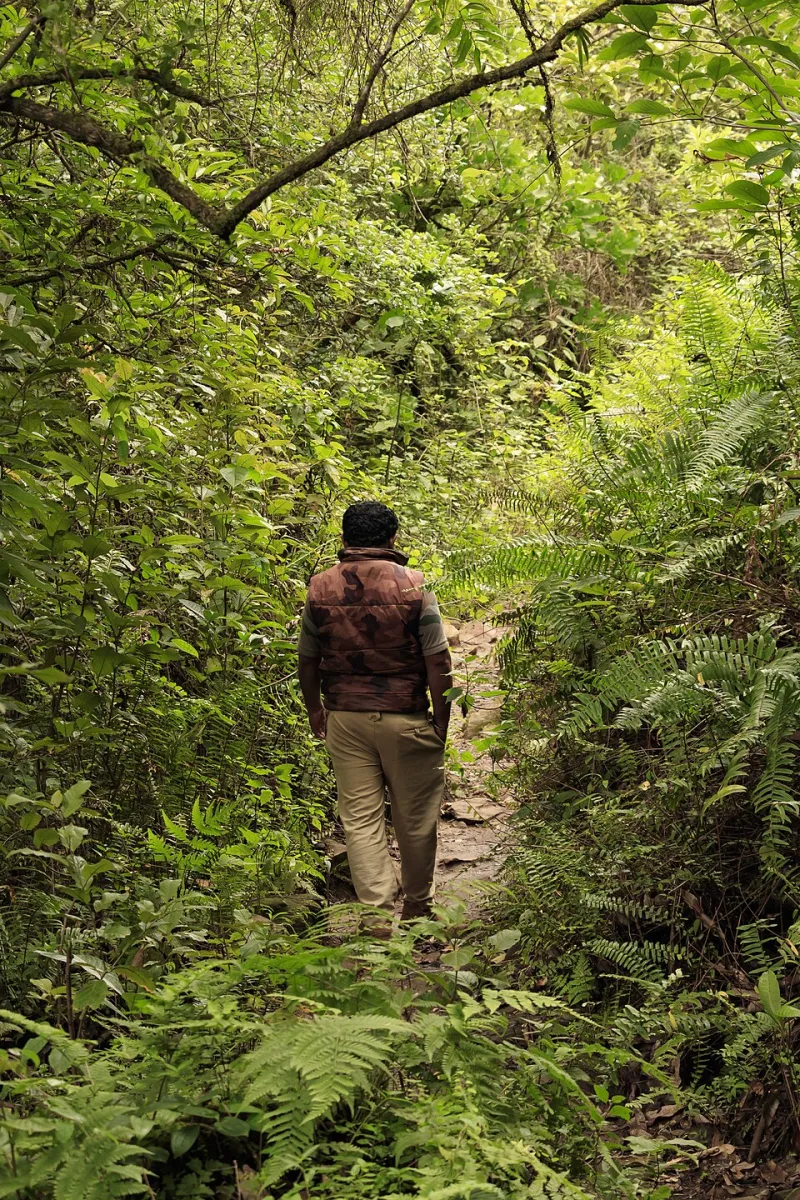
Photo: iMahesh, CC BY-SA 4.0, via Wikimedia Commons
Everybody knows about the grand bathhouses on Central Avenue. The marble lobbies, the attendants, the carefully managed thermal water piped in from the mountain — it's a whole production, and honestly, it's worth doing at least once. But if you've already done that, or if you're the kind of traveler who'd rather earn your soak, Hot Springs has been quietly holding out on you.
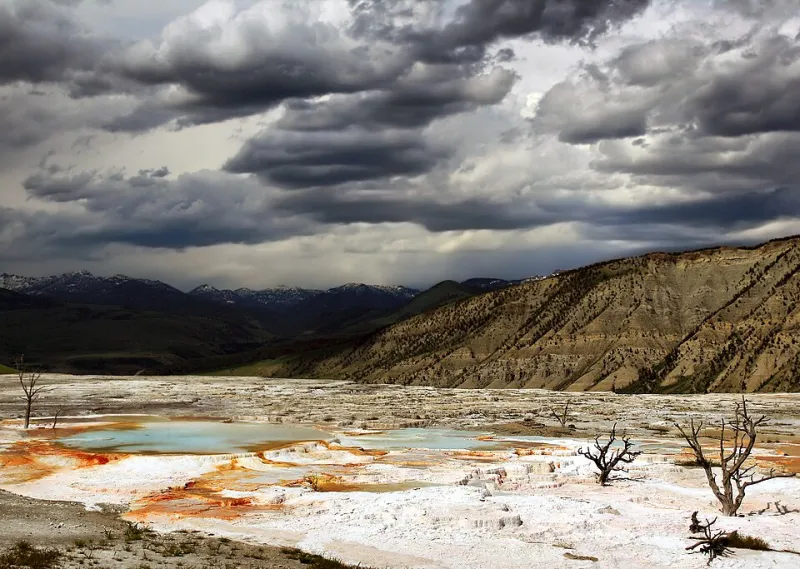
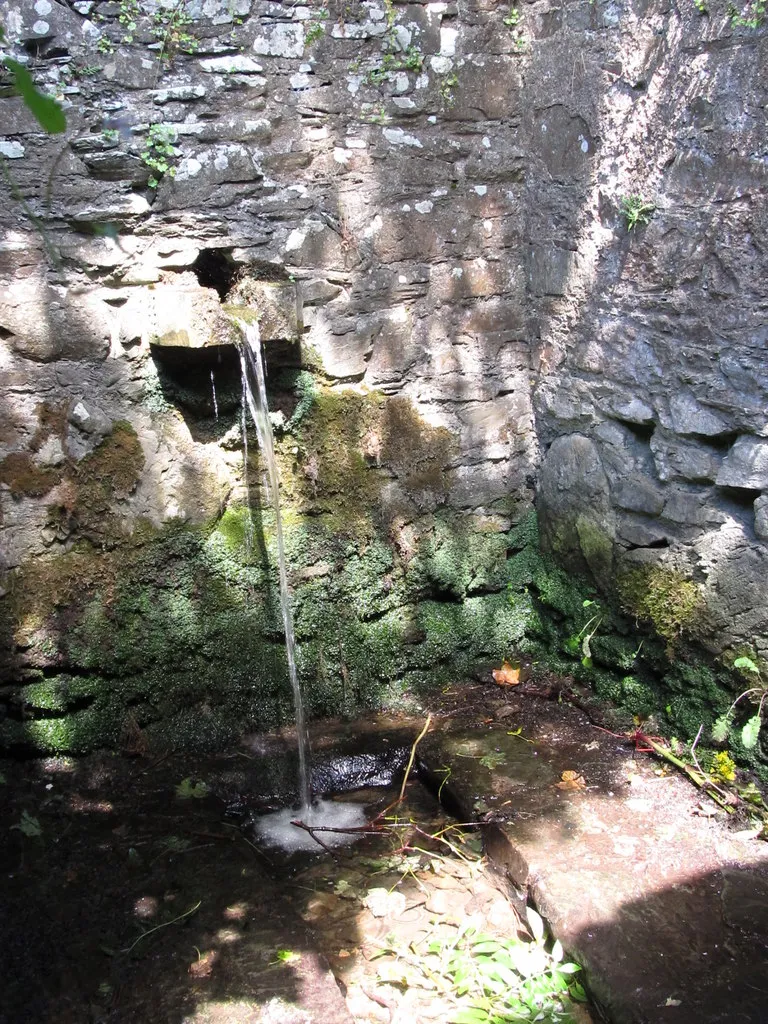
Deep inside Hot Springs National Park — yes, the actual national park that most visitors walk right past on their way to a restaurant — there's a hiking route that ends at something genuinely rare: a natural thermal pool where the water seeps out of the earth just like it has for thousands of years, no plumbing required. Locals know about it. Rangers know about it. And now, you will too.
Where Exactly Are We Talking?
The route in question strings together portions of the Gulley Park Trail and the lesser-traveled Hot Springs Mountain Loop, eventually dropping hikers down toward one of the natural surface flow areas on the park's western slope. The National Park Service manages 47 springs across the area, but only a handful still flow openly above ground, and fewer still are accessible by foot in a way that feels like a genuine wilderness experience.
The pool itself isn't enormous — think more "natural jacuzzi" than "swimming hole" — but the water temperature hovers between 140°F and 147°F at the source, cooling to a more manageable range as it collects in the rocky basin below. You're not jumping in headfirst. You're easing in slowly, testing the edges, and probably making a noise you'd be embarrassed about if anyone else were around.
Total trail distance for the full out-and-back runs approximately 5.4 miles. Elevation gain is moderate — around 650 feet — with a few steeper switchback sections near the summit stretch of Hot Springs Mountain. Plan for two to three hours of hiking, plus however long you want to linger at the end.
Difficulty and Who This Is Really For
Let's be honest about this: the trail is rated moderate, and that's accurate for reasonably fit hikers who are used to uneven terrain. You'll cross some exposed root systems, navigate a few rocky scrambles, and deal with trail markings that get a little sparse in the back half of the loop. This isn't a casual stroll in flip-flops.
That said, it's also not technical hiking. No ropes, no scrambling gear, nothing that requires prior backcountry experience. If you've done trails at places like Petit Jean State Park or the Ouachita National Forest without incident, you'll handle this just fine. Trekking poles are a nice bonus on the descent, especially if the ground is damp.
Kids who are solid hikers — say, eight and up with trail experience — can manage the route, but younger children or anyone with mobility concerns would be better served by the park's shorter, paved paths closer to the visitor center.
Seasonal Realities
Spring and fall are the sweet spots. March through May brings wildflowers along the lower trail sections and comfortable temperatures that make the hot pool feel like the perfect reward rather than an overheated punishment. October and November offer brilliant foliage on the mountain slopes and cooler air that makes the soak genuinely blissful.
Summer is doable but demands an early start. Hot Springs, Arkansas in July is not messing around — by midday, the humidity alone will have you reconsidering your life choices. Hit the trailhead by 7 a.m. if you're going in summer, carry more water than you think you need, and be prepared for the pool to feel less refreshing when the ambient temperature is already 95°F.
Winter access is weather-dependent. The trails stay open year-round, but ice on the steeper sections after a cold snap makes them genuinely hazardous. Check conditions with the park visitor center (they're helpful, not gatekeepy) before heading out between December and February. On a clear winter day with no ice, though? Soaking in a thermal pool while the surrounding forest is bare and silent is an experience that's hard to beat.
What to Bring
Beyond standard hiking gear, a few items are specific to this kind of trip:
- A swimsuit and a quick-dry towel. Pack them in a dry bag or a zip-lock inside your pack. Nothing worse than a wet towel on the hike back.
- Water shoes or sandals with a back strap. The pool's rocky bottom rewards footwear. Flip-flops will betray you.
- More water than seems reasonable. Two liters minimum per person, more in summer. There's no water source on the trail.
- A printed or downloaded offline map. Cell coverage gets spotty on the back half of the loop. The NPS website offers downloadable trail maps, and the visitor center at 369 Central Ave hands out paper ones for free.
- Snacks you actually want to eat. After five-plus miles and a soak, you will be hungry in a way that surprises you.
Leave the bluetooth speaker at the car. Seriously. The whole point of this trail is that it's quiet.
A Few Things Worth Knowing Before You Go
The thermal pools in Hot Springs National Park are protected resources, which means a few rules apply. Don't add soaps, oils, or bath products to the water — the natural chemistry of the springs is the whole deal, and contamination is a real concern. Don't move rocks to redirect flow or "improve" the pool. And if you pack it in, pack it out; the back sections of this trail don't see ranger patrols as frequently as the main paths.
The NPS also asks that visitors avoid the pools during high-heat advisories, since the combination of thermal water and extreme ambient heat can cause heat-related illness faster than either would alone. Use common sense, listen to your body, and don't tough it out if you're feeling dizzy or overheated.
Parking is available at the Gulley Park trailhead off Gulley Street, with additional overflow parking near the Hot Springs Mountain Tower. Arrive before 9 a.m. on weekends if you want a guaranteed spot, especially in peak season.
Why This Is Worth the Effort
Hot Springs has a way of revealing itself in layers. The first layer is obvious — the bathhouses, the history, the novelty of a national park inside a small city. But the trails are where the place stops performing and just is. And ending a real hike at a real thermal spring, one that hasn't been filtered or regulated or piped anywhere, connects you to the thing that made this city worth building in the first place.
It's not a secret in the sense that it's hidden or forbidden. It's a secret in the sense that most people don't bother to look. If you're the kind of traveler who does — this one's for you.